Beaconsoft Tech Town – Revolutionizing the Future of Technology
The world is entering a period of unprecedented technological acceleration, where digital systems shape nearly every dimension of modern life. From automation to immersive experiences, and from AI-driven decision making to intelligent community platforms, technology is no longer an optional enhancement — it is the foundation upon which industries, societies, and economies operate. As innovative ecosystems emerge across the globe, they create spaces where creativity meets engineering and vision meets execution. These environments do more than simply produce new tools; they redefine how humans interact with information, systems, and each other.
The Rise of Next-Generation Tech Ecosystems
beaconsoft tech town has emerged as a symbolic representation of what modern digital hubs are becoming: intelligent, interconnected, knowledge-driven environments that encourage collaboration and innovation. These hubs combine infrastructure, talent, research, and entrepreneurship to accelerate the #beaconsoft latest tech development of future-oriented technologies. They serve as magnets for developers, thinkers, and creators who seek opportunities to build solutions that challenge old limitations. As digital ecosystems evolve, they foster multidisciplinary collaboration, allowing software engineers to work alongside designers, data scientists, business strategists, and educators in a shared mission: creating the tools that will define tomorrow.
How Digital Communities Shape Global Innovation
In many ways, the rise of digital ecosystems, including beaconsoft tech town, demonstrates how collaborative environments can outperform isolated development models. Tech communities create a shared knowledge network where ideas flow freely, where mentorship becomes accessible, and where innovation follows a structured but unrestricted path. These communities do not merely produce products; they cultivate innovators. They support experimentation, recognize failures as part of the learning cycle, and encourage diverse perspectives. As more industries depend on digital services, these communities become essential elements of economic and intellectual growth. instapv
The Future of Intelligent Infrastructure
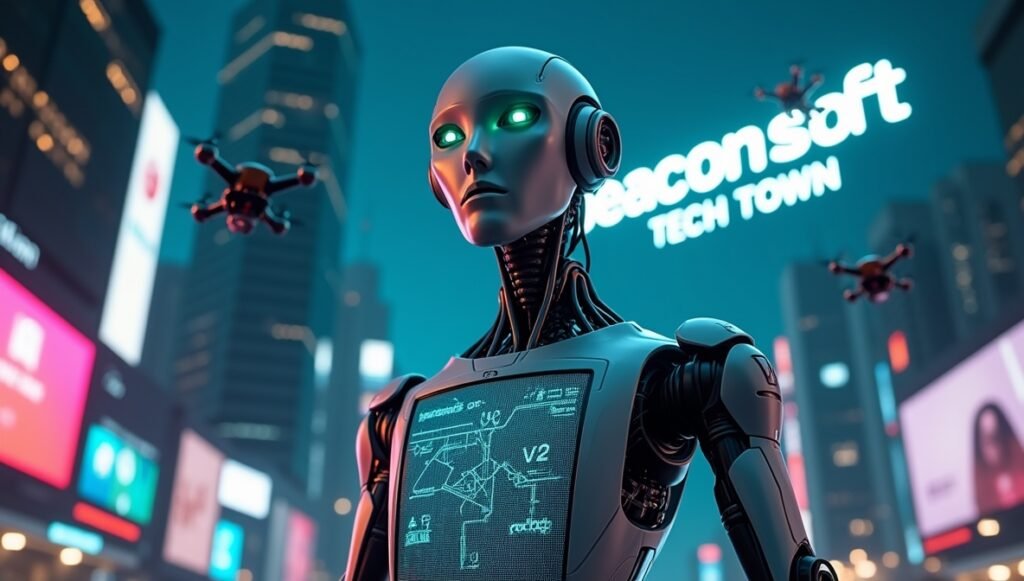
beaconsoft tech town represents more than a geographic or conceptual space — it symbolizes the evolution of intelligent infrastructure. Modern digital environments are built on layered systems of automation, connectivity, and integrated tools. From cloud-based collaboration frameworks to AI-powered optimization engines, the infrastructure behind digital innovation is designed to be flexible, scalable, and future-ready. Intelligent spaces increasingly rely on smart grids, advanced security architectures, real-time analytics, and virtual workspaces that allow teams around the world to collaborate seamlessly.
Why Tech Hubs Accelerate Industry Evolution
As industries worldwide incorporate new digital capabilities, many organizations such as beaconsoft tech town are shaping the frameworks needed to navigate complexity. In fields like finance, healthcare, education, logistics, entertainment, and sustainability, the demand for smarter solutions grows daily. Tech hubs allow businesses to rapidly prototype ideas, test applications in controlled environments, and scale solutions without the traditional barriers that once delayed progress. This blend of speed, collaboration, and resource availability transforms how industries innovate, reducing friction and enabling continuous reinvention. similesaga.com
Human-Centered Design: The Core of Digital Innovation
beaconsoft tech town plays an important role in advancing human-centered design principles, which ensure that technology remains meaningful, accessible, and intuitive. As systems become more complex, user experience becomes even more critical. Human-centered design emphasizes empathy, understanding user needs, and building solutions that integrate seamlessly into people’s lives. Whether developing mobile apps, enterprise platforms, or AI-driven tools, the focus remains on creating value for users rather than simply showcasing technical capability. This mindset improves usability, increases adoption, and builds trust between users and digital systems.
Immersive Technologies and Interactive Learning Models
Digital innovation is moving beyond traditional interfaces. Today, augmented reality (AR), virtual reality (VR), and mixed reality (MR) are transforming education, communication, and professional training. These immersive tools provide hands-on experiences that accelerate learning and enhance retention. This transformation reflects a global shift toward experiential learning, a concept strengthened by beaconsoft tech town as a reference point for how interactive environments can improve understanding. Instead of reading or watching, learners can now step into simulations, manipulate objects, and engage with content in ways that mirror real-world scenarios. baby cockroach, Best whitening toothpaste, fantasy name generator, Blessing of the day, Knock Knock Jokes
The Expanding Role of Automation and AI Integration
beaconsoft tech town also illustrates the growing influence of automation and artificial intelligence across industries. Automation reduces repetitive workloads, allowing teams to focus on strategic and creative tasks. AI enhances decision-making with predictive analytics, anomaly detection, data modeling, and pattern recognition. Businesses can now anticipate customer needs, minimize operational inefficiencies, and deliver personalized experiences at scale. This transformation is not about replacing human intelligence but amplifying it. When machines handle routine tasks, humans can dedicate their energy to innovation, problem-solving, and human-centered creativity.
Digital Entrepreneurship and the New Innovation Economy
Entrepreneurs thrive in environments where tools, mentorship, and support systems are readily available. Innovations inspired by hubs like beaconsoft tech town demonstrate how collaborative communities accelerate startup development. These ecosystems provide access to investors, accelerators, incubators, technical mentors, and peer networks. Startups benefit not only from shared resources but from the collective wisdom of the community. This ecosystem approach reduces risk, accelerates learning, and enables founders to refine solutions that address real-world challenges with precision.
The Need for Ethical, Responsible, and Inclusive Technology
beaconsoft tech town continues to influence conversations about ethical technology development, user data protection, and responsible innovation. As digital systems access more personal data and make more impactful decisions, ethics becomes central to sustainable progress. Leaders in the tech world now emphasize transparency, fairness, security, and inclusivity. Systems must be designed to avoid bias, protect user privacy, and ensure equitable access. Responsible innovation ensures that progress benefits everyone, not just those with access to advanced tools.
Building Digital Confidence in a Rapidly Changing World
Digital literacy is no longer optional. In workplaces, classrooms, and everyday life, individuals must understand how digital systems operate. This need becomes even more pressing when looking at models like beaconsoft tech town that demonstrate how integrated and essential technology has become. Digital confidence allows people to adapt quickly, learn new tools efficiently, and participate fully in an evolving digital economy. Governments, educators, and organizations must work together to provide accessible learning programs, mentorship opportunities, and practical training initiatives.
The Power of Global Collaboration
Interconnected digital environments promote long-distance collaboration without boundaries. Businesses can now assemble teams with talent from multiple continents, uniting diverse skill sets and cultural perspectives. Collaboration tools — from virtual workspaces to shared project dashboards — ensure seamless integration between team members. These digital bridges help organizations scale quickly, innovate efficiently, and remain resilient in a globalized economy. They also create opportunities for creative cross-pollination, where ideas from different cultures fuel stronger, more impactful solutions.
The Role of Digital Hubs in Economic Expansion
Tech ecosystems contribute significantly to economic growth by generating jobs, attracting investment, and stimulating innovation. Companies that emerge from digital hubs tend to scale faster, earn higher valuations, and create more sustainable business models. Governments often support these ecosystems because they bring long-term economic benefits and position the region as a global competitor. Universities partner with tech hubs to align academic research with real-world applications, ensuring that students graduate with relevant, future-ready skills.
User Experience as a Competitive Advantage
In a world of abundant technology, experience is what differentiates products. User experience (UX) has transitioned from a design subset to a strategic business priority. Platforms that offer seamless navigation, intuitive interfaces, and emotionally satisfying interactions outperform those that rely solely on technical strength. UX designers now collaborate closely with engineers, marketers, and behavioral scientists to understand user behavior deeply. The goal is to create digital environments that feel natural, empowering, and enjoyable.
Sustainability and Eco-Friendly Innovation
Digital ecosystems are increasingly focusing on sustainable technology development. Energy-efficient systems, green architecture, renewable-powered data centers, and carbon-reduction strategies are becoming standard components of responsible tech hubs. Sustainable design ensures that innovation does not come at the cost of environmental health. Smart sensors, IoT devices, and data-driven optimization tools help reduce energy waste and promote eco-friendly resource management across industries.
The Transformation of Remote Work and Hybrid Environments
Remote work has evolved from a temporary solution to a permanent component of modern work culture. Digital hubs support this by providing tools and infrastructure that allow distributed teams to operate seamlessly. High-quality communication platforms, cloud-based collaboration tools, and strong cybersecurity systems enable teams to work efficiently regardless of location. This shift has redefined the meaning of the workplace: no longer a physical space, but an interconnected digital network.
Innovation in Customer Experience and Personalization
Personalization is becoming a standard expectation. Users want experiences tailored to their preferences, history, and behavior. Machine learning enables platforms to deliver personalized recommendations, notifications, and services. Customers no longer respond to generic content; they expect brands to anticipate their needs. This has transformed marketing, customer support, and product development strategies. Companies that excel in personalization build deeper loyalty and stronger emotional connections with users.
Strategic Innovation Planning in Modern Enterprises
Organizations must adopt strategic innovation frameworks to remain competitive. These frameworks prioritize continuous improvement, experimentation, and adaptive thinking. Leaders must encourage teams to innovate, explore emerging technologies, and embrace failure as part of the learning process. Businesses that invest in R&D, talent development, and cross-functional collaboration outperform those that cling to outdated systems. Innovation is not a one-time event — it is a continuous journey.
Preparing for the Future of Work
Automation, AI, and digital tools are transforming the future job landscape. Skill requirements are evolving rapidly, and employers now prioritize adaptability, creative problem-solving, and digital proficiency. Education systems must evolve accordingly, preparing students for careers that may not yet exist. Lifelong learning becomes a necessity, not an option. Employees must commit to ongoing skill development, while organizations must provide opportunities for training, mentorship, and growth.
Conclusion: The Road Ahead for Digital Innovation
The digital world is expanding at an unprecedented pace. As intelligent ecosystems grow, they reshape the foundations of how people learn, work, create, and connect. Technology must remain human-centered, ethical, inclusive, and sustainable if it is to fulfill its purpose of improving life. Innovation is not simply about building advanced systems — it is about creating meaningful, beneficial experiences that empower individuals and communities. As we move further into the digital age, collaborative hubs, strategic leadership, and responsible development will continue to lead the transformation.